

Others experiencing more severe symptoms may require hospitalization to avoid life threatening conditions. A doctor may also need to administer fluids intravenously to prevent dehydration and correct electrolyte abnormalities. They may also need to give medications to help reduce the severity of the symptoms. Individuals experiencing alcohol withdrawal syndrome should receive treatment according to the severity of their condition. Those with very mild symptoms can receive treatment as outpatients but may require the support and help of family and close friends for help.

Alcohol Withdrawal Symptoms
These are progressive phases caused by the brain’s reaction to the sudden absence of alcohol, which previously suppressed nervous system activity. Symptoms escalate as the body struggles to regain balance, ranging from mild discomfort to life-threatening complications. Alcohol withdrawal treatment involves medical detoxification, medications (e.g., benzodiazepines, anticonvulsants), and supportive care. According to a report by the World Health Organization (WHO) (2023), medically supervised detoxification reduces the risk of severe complications and improves outcomes. Some natural or home remedies for alcohol withdrawal may include meditation, vitamins, kudzu, acupuncture, and more.
- Though the alcohol withdrawal timeline varies from person to person, there is a general timeline most people loosely follow with alcohol withdrawal syndrome.
- It can be helpful to write down your reasons for quitting and the difficulty of withdrawal while it is fresh in your mind.
- However, the best method to quit drinking easily is with Allen Carr’s Easyway.
- There are certain factors that may increase the risk of acute withdrawal symptoms like seizures and DTs.
- Since alcohol withdrawal can result in serious health issues or a loss of life, trying the detox process alone isn’t a good idea.
Stage 1
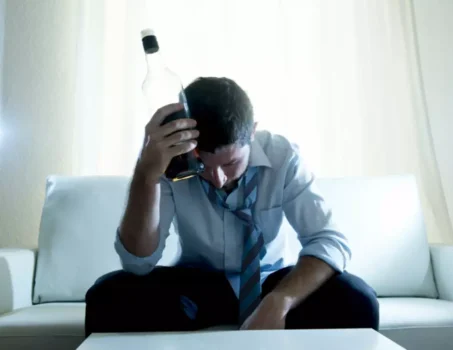
Alcohol withdrawal is caused by the sudden cessation or reduction of alcohol intake in individuals with alcohol dependence, leading to neurochemical imbalances in the brain. Since alcohol withdrawal can result in serious health alcoholism treatment issues or a loss of life, trying the detox process alone isn’t a good idea. In many cases, the side of effects of alcohol withdrawal can resolve within two to five days after your last drink. However, every patient is different, and some may experience symptoms for several weeks. Alcohol withdrawal syndrome is a condition that occurs when an individual stops consuming alcohol after a long-term dependence. Symptoms that have associations with this condition can be mild, severe, or in some cases, life threatening.
Treatment / Management
This is the period in which delirium tremens is most likely to occur, which requires immediate medical attention. During the 12- to 24-hour time frame after the last drink, most people will begin to have noticeable symptoms. These may still be mild, or the existing symptoms might increase in severity. If you or someone you know shows signs of delirium tremens, go to the emergency room immediately. Over time, however, the body builds a tolerance to alcohol, and a person may have to drink more and more to get the same feeling.
- AUD is the most common substance use disorder in the U.S., affecting 28.8 million adults.
- After 72 hours, your symptoms may start to resolve, though this is dependent on several factors.
- You’ll notice substantial improvements to your body and your mind, but cravings will still kick in every so often.
- That way, you can get 24-7 support for your mental health and physical symptoms.
- This is alcohol withdrawal, and it causes uncomfortable physical and emotional symptoms.
In the outpatient setting, mild alcohol withdrawal syndrome can be treated using a tapering regimen alcohol withdrawal syndrome symptoms of either benzodiazepines or gabapentin administered with the assistance of a support person. Proposed regiments include fixed dosing with as-needed doses available. Should symptoms worsen, patients and their support person should be instructed to present to the emergency department for evaluation and further treatment. Alcohol withdrawal (alcohol withdrawal syndrome) is a range of symptoms that can happen if you stop or significantly reduce alcohol intake after long-term use. Are we saying no one ever goes through any discomfort as a result of alcohol withdrawal?
- PAWS can complicate recovery, making it difficult to remain sober and prevent relapse.
- Orlando Recovery Center offers comprehensive addiction treatment for drug and alcohol addictions and co-occurring mental health conditions.
- While some experts argue that MDMA is less physically addictive than substances like opioids or alcohol, its psychological grip can be just as strong.
- This website does not recommend or endorse any specific tests, physicians, products, procedures, opinions, or other information that may be mentioned on the Site.




Recent Comments