

Enerpize can automatically categorize transactions based on predefined rules and patterns. This reduces manual entry and ensures that expenses are categorized correctly from the start. For example, recurring expenses like utilities or subscriptions can be automatically assigned to expenses vs liabilities the right categories.

Conclusion – expense vs liability
Therefore, expenses, together with revenue, gains and losses, determine normal balance the net income for that period. Expenses are not basically used to generate cash flow rather they are the operational costs incurred from the use of assets to generate cash flow. An asset has the ability to generate cash inflows or decrease cash outflows in order to produce economic benefit. Assets will therefore provide a current, future, or potential economic benefit for the company.
- Current liabilities are debts that are paid in 12 months or less, and consist mainly of monthly operating debts.
- This reduces manual entry and ensures that expenses are categorized correctly from the start.
- For example, if marketing expenses are high but not yielding expected returns, the business might decide to reallocate funds to more effective channels.
- Hence, equity is paid lots of attention by business owners or shareholders because it is their financial share of the company.
- Compensation paid to employees, including base salaries, hourly wages, bonuses, and overtime.
Payable principal and interest
In terms of liabilities, accrued expenses will increase if an expense accrual or accounts payable is created, or if an unpaid supplier invoice is recorded. Companies can give a breakdown of their revenues and expenses on their income statements. Accountants use any of the two methods to record expenses, that is, the cash basis and the accrual basis. Under the cash basis accounting, expenses are recorded when they are paid. On an accrual basis, on the other hand, expenses are recorded when they are incurred. Meanwhile, expenses are generally recorded on an accrual basis in order to ensure that they match up with the revenues reported in accounting periods.

In this Article
This account is broken into sub-accounts so that the company can clearly see where money is going and organize the finances accordingly. Such expense sub-accounts include Wages expenses, Salary expenses, Supplies expenses, Rent expenses, and Interest expenses. Knowing that expenses are neither assets nor liabilities; are they equity? In as much as assets and expenses are both incurred when goods or services are purchased for the business, they’re not considered the same thing.
- These are essential for attracting customers and growing the business.
- Examples of expenses include salaries, insurance, advertising, and nominal costs.
- Weaver welcomes any questions you have on the ASU or other related topics.
- They include accounts payable, accrued expenses, short-term loans, and other similar obligations.
- An expense refers to the costs incurred by an individual, business, or organization in order to generate revenue or achieve specific objectives.
- Expenses are more immediate in nature and are paid on a regular basis, compared to liabilities that are owed for a period of time.

In order to have a better understanding of why expenses are not liabilities, let us look at their differences. Income accounts are temporary or nominal accounts because their balance is reset to zero at the beginner of each new accounting period, usually a fiscal year. Other names for net income are profit, net profit, and the “bottom line.”
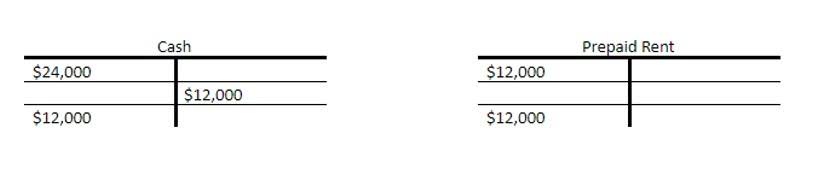
Moreso, accrued expenses increase when an expense accrual is created and accounts payable on the balance sheet would increase when a supplier invoice that has not yet been paid is recorded. The primary difference between expense and liability is that liability refers to the obligations every business must fulfil within a given period. Expenses refer to the costs that are incurred during a financial year.
Payments for business-related taxes (e.g., payroll taxes, sales taxes) and fees for permits or licenses required to operate legally. Compliance with tax and licensing requirements is essential to avoid penalties. Payments Car Dealership Accounting for leasing office space, warehouses, retail locations, or other business premises. Expenses for essential services like electricity, water, gas, internet, and phone services. These are recurring costs necessary to keep the business operational. Costs for office supplies like paper, pens, printer ink, and small equipment such as printers or scanners.





Recent Comments